September 11, 2025
Interacting with students and their passion for housing.
Innovation, Affordability, and the Environment. These are the issues students consistently raise when discussing housing. Now, more than ever, students recognize that they will (if they haven’t already) be directly affected by housing costs and affordability challenges. Fortunately, they are well-positioned to confront this crisis. Students can remain optimistic, explore new solutions, and engage with these challenges without being discouraged by the obstacles to implementing innovative,...
Innovation, Affordability, and the Environment. These are the issues students consistently raise when discussing housing. Now, more than ever, students recognize that they will (if they haven’t already) be directly affected by housing costs and affordability challenges. Fortunately, they are well-positioned to confront this crisis. Students can remain optimistic, explore new solutions, and engage with these challenges without being discouraged by the obstacles to implementing innovative, affordable, and environmentally conscious housing. By understanding how students feel about these three themes, industry leaders can better support and shape the next generation of housing leaders.
Innovation
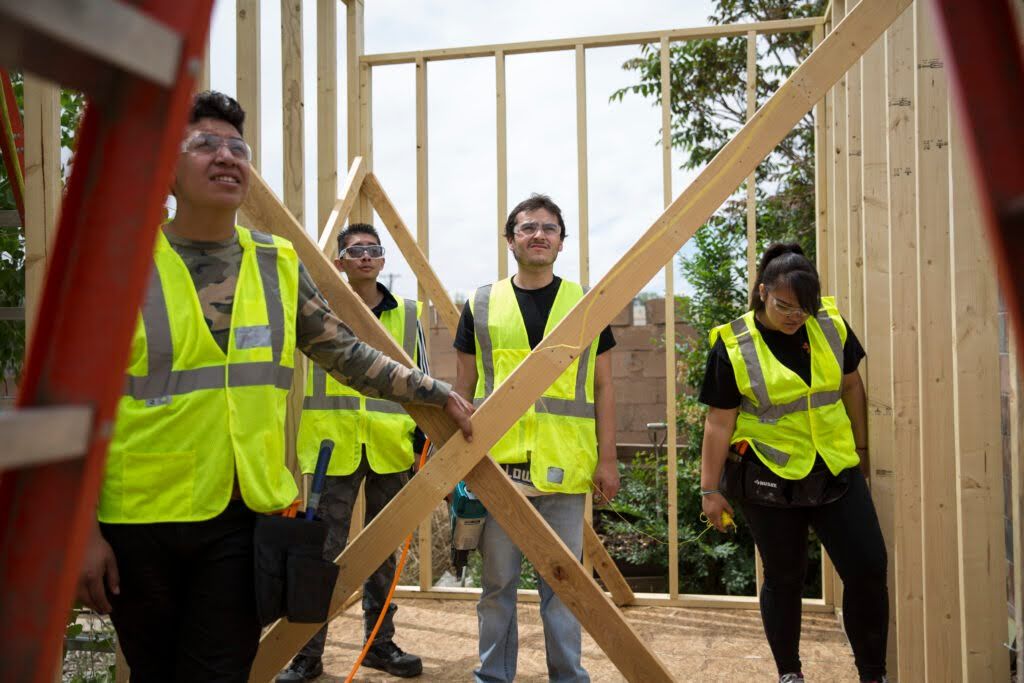
Innovation in housing emerges when new or improved methods, practices, technologies, or strategies are applied. Students may not yet know the full history, technicalities, or policy constraints of housing—but what they do bring is a fresh perspective and the courage to ask “Why?”. This creates what can be described as the dragonfly eye effect: no single student sees the entire problem, but together, their perspectives form a 360-degree collective vision. When students from different disciplines—architecture, finance, policy, construction, design, environmental studies—work together, they create holistic housing solutions. As Bowen Wright, a member of Team HC&W and a 2023 Hack-A-House winner, explained: “Finding creative ways to improve housing can benefit everyone.” Innovation benefits all, but it can come from anyone—if they have the right support.
Affordability
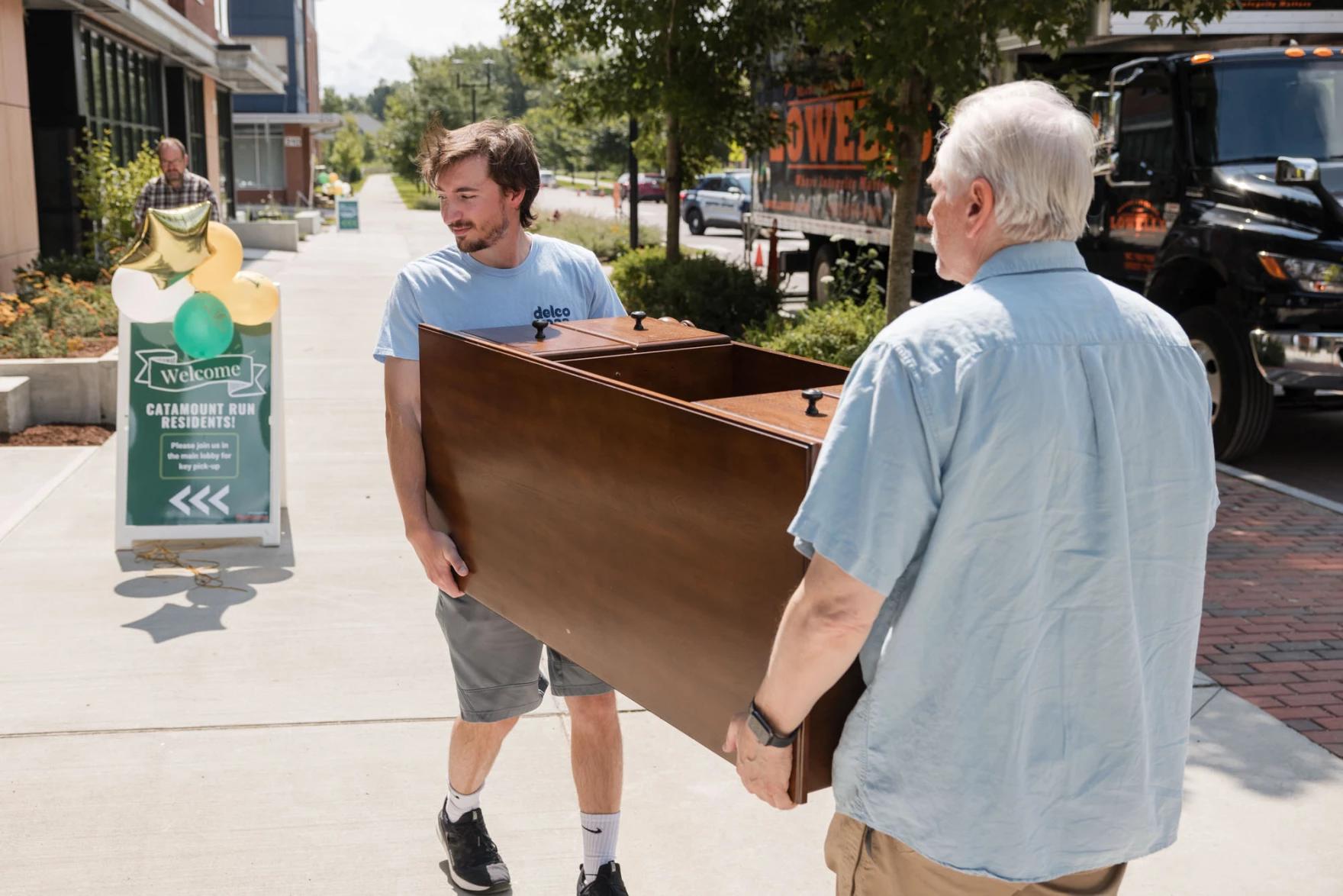
Affordability is achieved when more units are built, costs are reduced, construction is accelerated, and flexible pricing options are offered. Yet, for students, affordability is becoming an increasingly personal issue. During a University of Utah class, roughly half of the students said that in the next five years they expect to be priced out of purchasing a home. This sentiment is echoed across the country. Often students are not the direct focus of affordable housing policies, but as costs rise for all groups, students feel the storm of unaffordability acutely. As UT Austin President Jay Hartzell noted: “When you think of an average family thinking of where to send their son or daughter, that rent-plus-food piece is getting to be a bigger chunk.” That “bigger chunk” is pushing students to recognize housing as not just an abstract crisis but a deeply personal challenge.
Environment
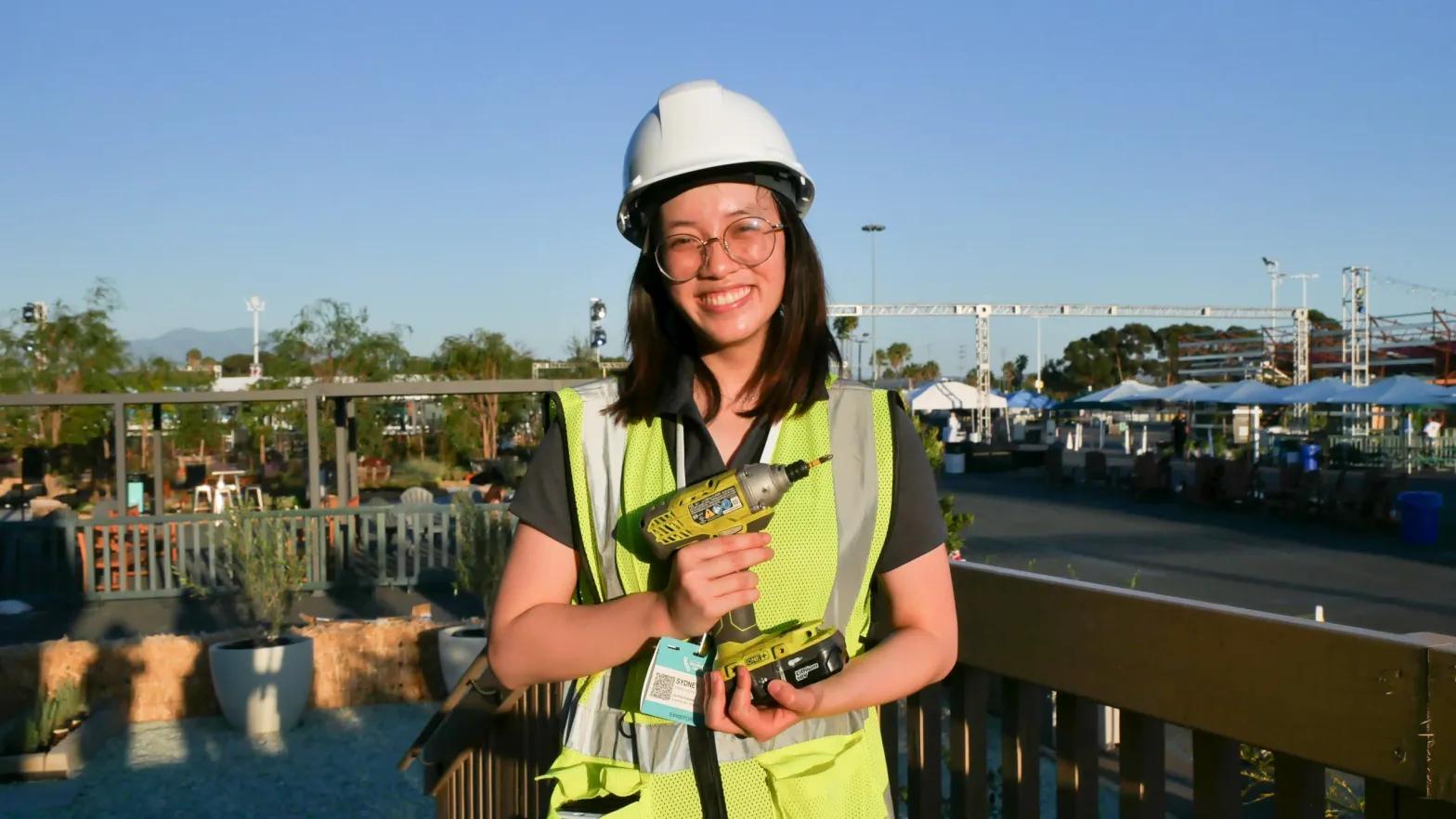
The environmental impact of housing may seem daunting, but students see it as a crucial and practical avenue for change. Through competitions such as sustainability decathlons, students like Syden Nguyen from Cal Poly Pomona are proving that housing can lead the way to a more sustainable future. Importantly, students understand that sustainability cannot be achieved in isolation—it must also generate cost savings and inspire residents to embrace new approaches. By combining their passion for the environment with their drive to reimagine housing, students are ensuring that future homes will improve both ethically and functionally.
Students can ideate, inspire, and act but they cannot solve the housing crisis alone. It is the responsibility of industry leaders, educators, and developers to provide guidance and collaboration. By working together, students and professionals can create a 1+1=3 dynamic where the partnership produces more than either side could achieve independently. When leaders inform, listen, mentor, and provide real-world exposure, they unlock student potential. And when students bring their optimism, creativity, and passion, they push the boundaries of what housing can be. Together, they can drive innovation, expand affordability, and advance sustainability while shaping the housing leaders of tomorrow.